Corporate Catering Melbourne: How to Feed a Crowd Without Boring Them
Corporate catering in Melbourne has moved past the triangle sandwich. Food truck catering costs roughly $25 to $60 per head, handles 50 to 500 plus staff, and turns a staff lunch into the best meeting of the quarter. Book two to four weeks ahead for standard events, months ahead for December, and always confirm dietary coverage and site access before signing anything.
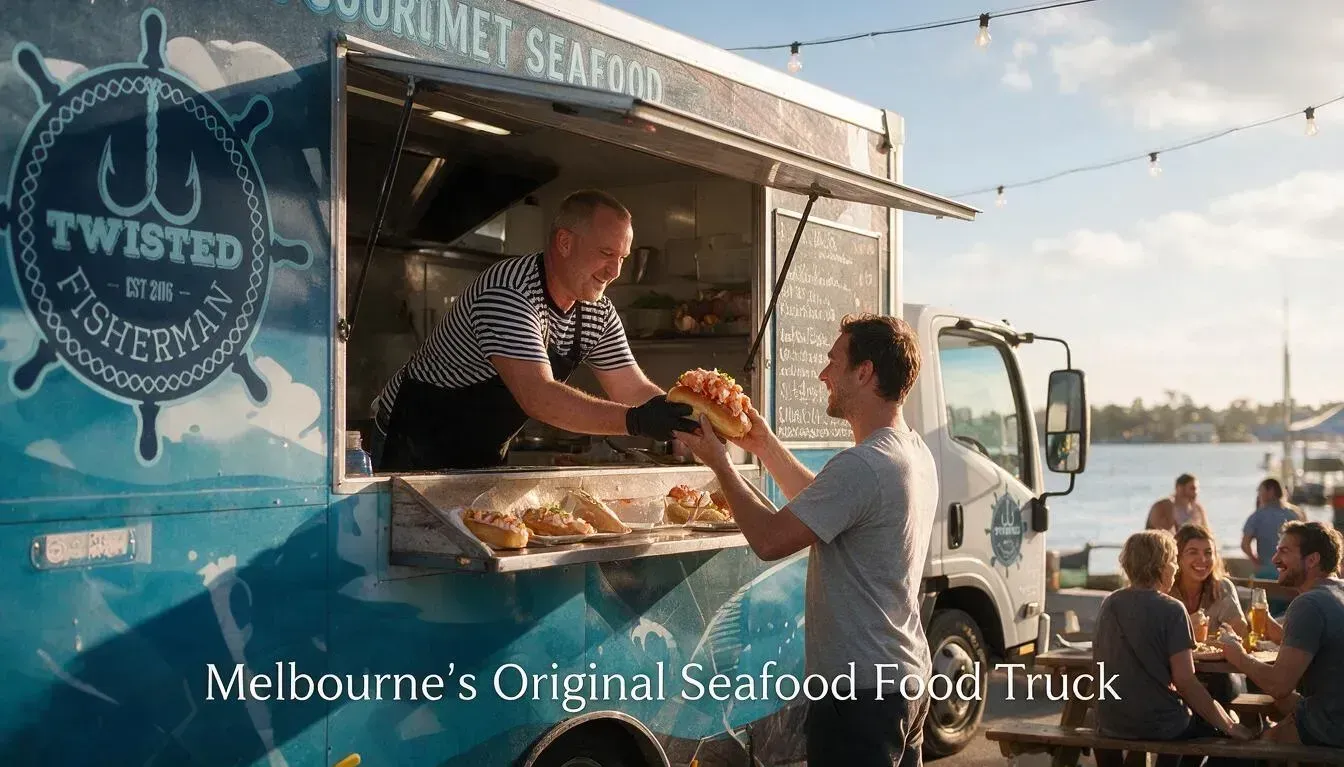
Every office has the same catering memory: the beige platter. Curling sandwiches, a quiche that has seen things, the lone vegetarian option gone by 12:07pm Corporate catering in Melbourne earned its reputation honestly. But the companies winning the talent and culture game have noticed something: food is the cheapest morale lever a business has, and the bar for impressing staff is embarrassingly low. Park a truck serving lobster rolls outside the office and watch a quarterly all-hands become an event people show up early for.
What does corporate catering cost in Melbourne?
Corporate food truck catering in Melbourne typically runs $25 to $60 per head depending on menu, guest count and service time. Office delivery platters cost less per head but deliver less per head. Plated corporate dining with venue hire commonly exceeds $100 per person.
The middle path is where trucks live. You get restaurant-grade food cooked on site, theatre included, without venue fees. Volume helps too: per-head pricing improves as numbers climb, which is why end-of-year parties and company-wide lunches are the sweet spot. Full numbers in our Melbourne catering cost guide.
Which corporate events suit food truck catering?
Food trucks work best for staff celebrations, EOFY functions, product launches, client appreciation days, milestone parties and Friday social events. Anywhere the goal is energy and conversation rather than a seated agenda, a truck beats a banquet room.
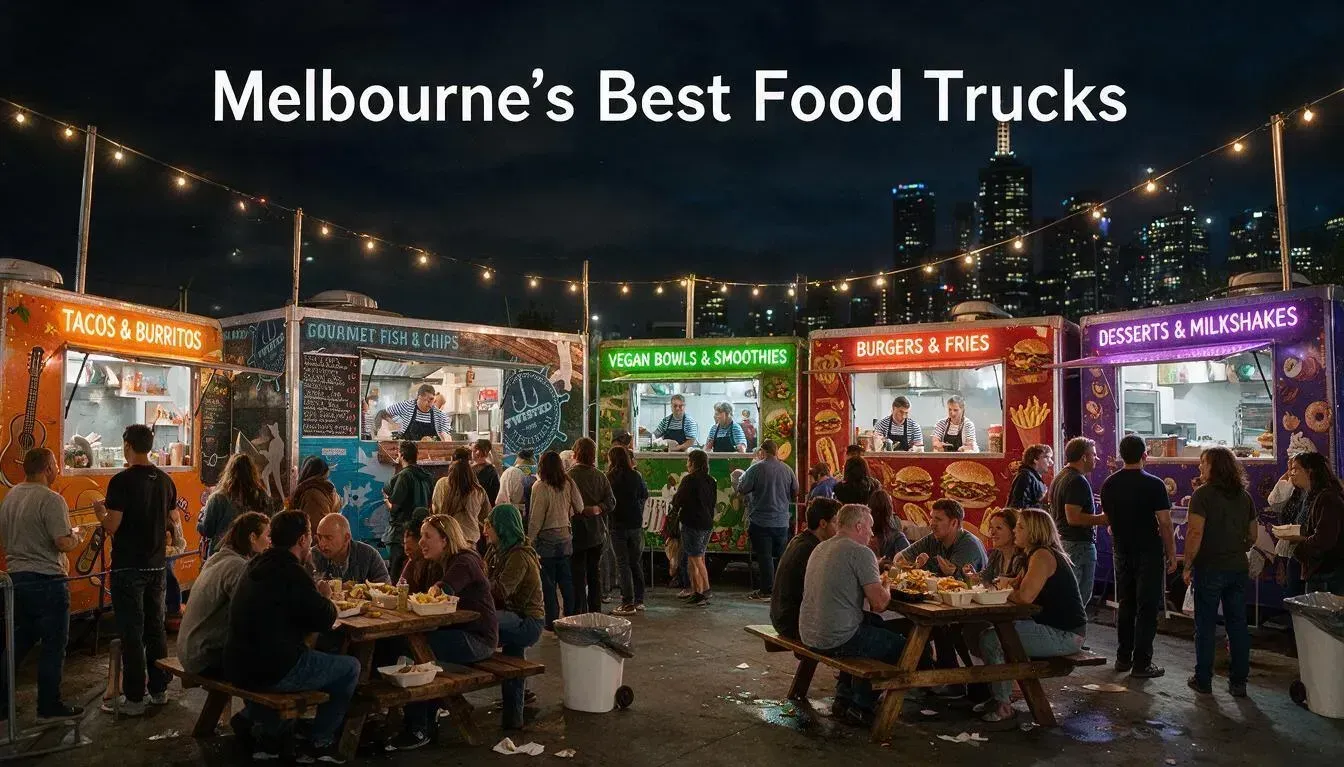
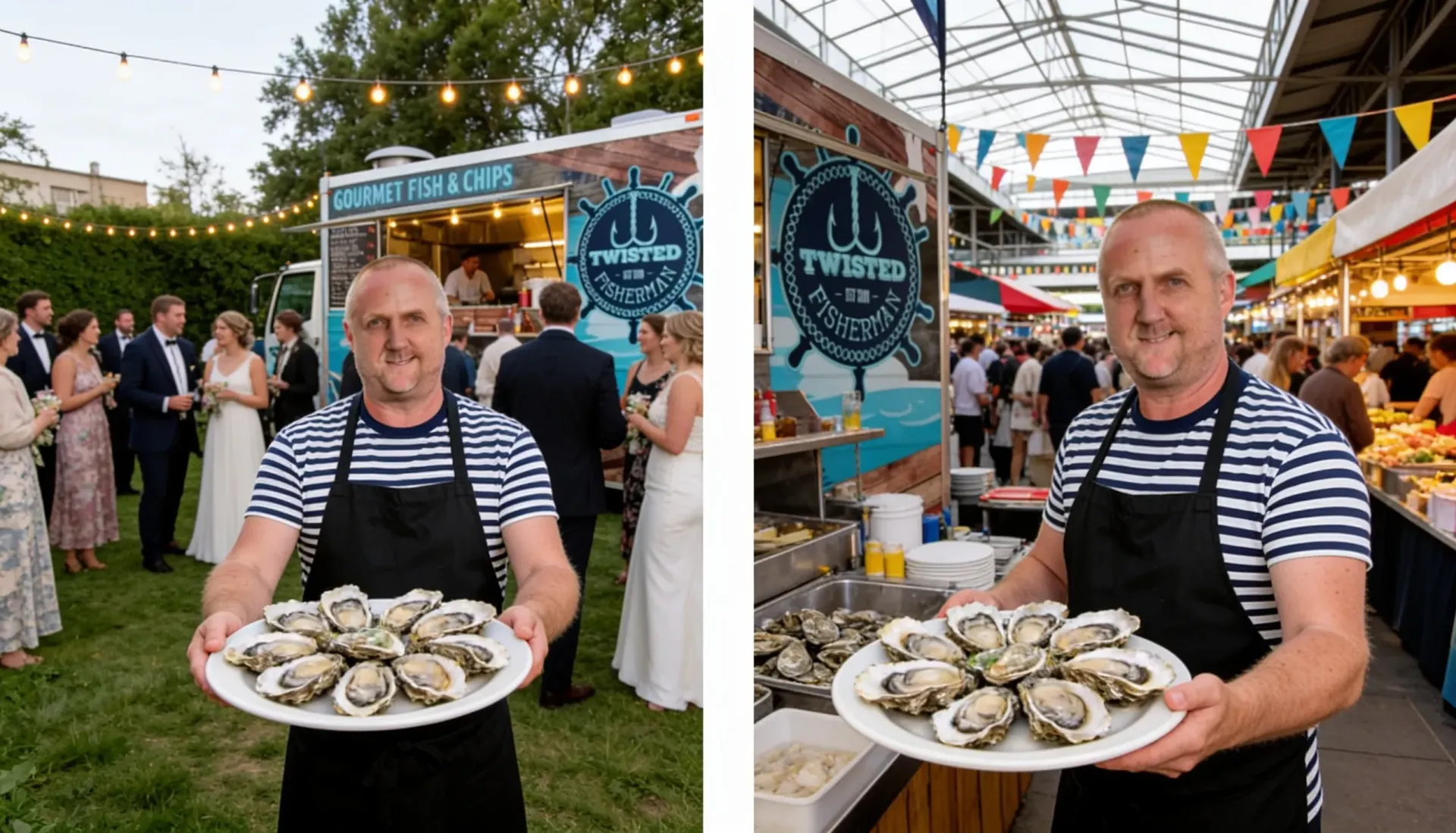
We’ve catered Christmas parties for companies like Canva and corporate events at the Royal Exhibition Building, and the pattern holds: the truck becomes the social centre of the event. People queue, talk, compare orders. Engagement happens around the service window in a way it never does around a buffet table. For formats and menus, see our corporate food truck catering page.
The menu question: what do 200 colleagues actually want?
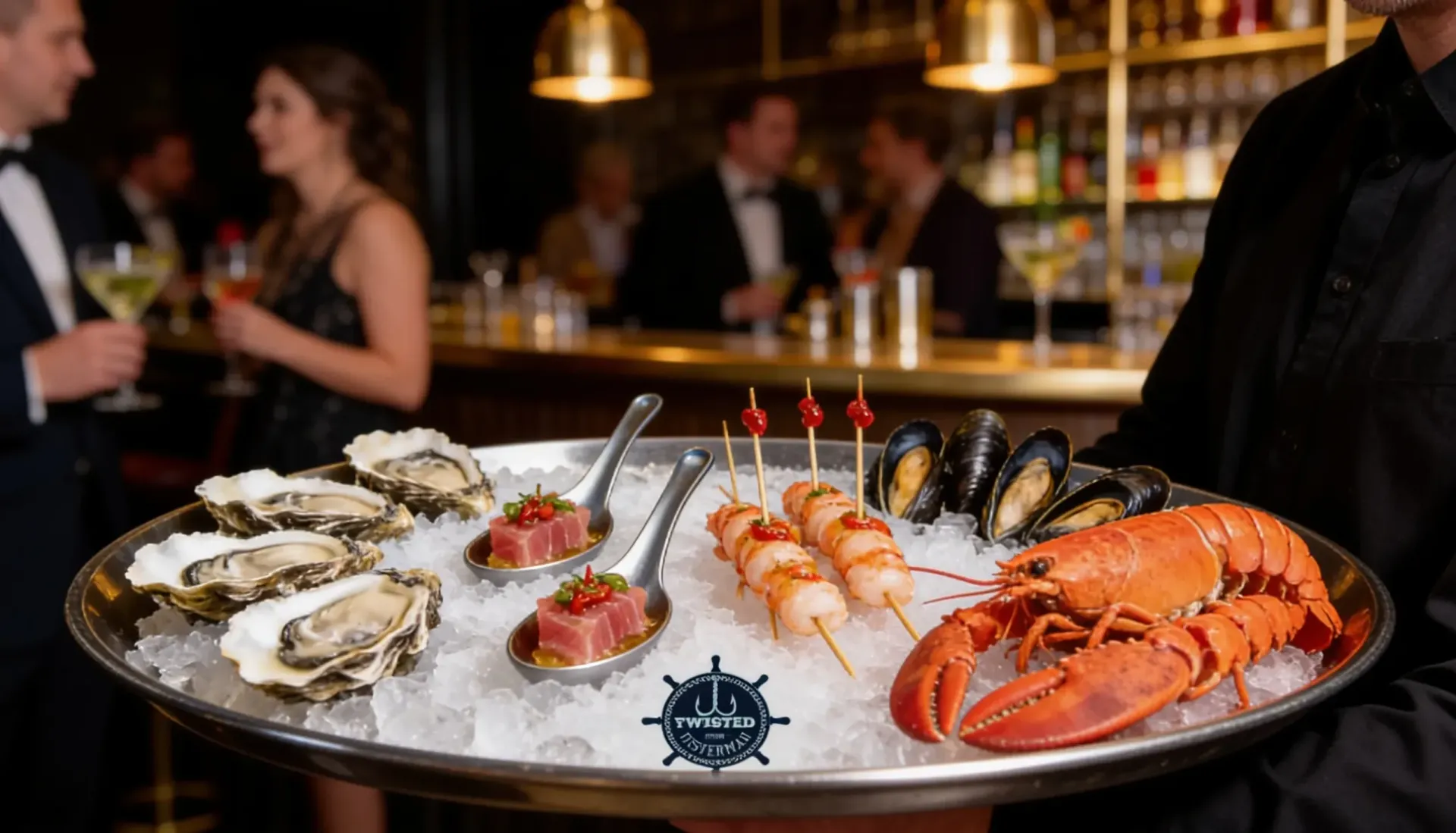
Variety with quality, not variety instead of it. Our corporate menus run across six categories: old school fish and chips, premium seafood, burgers and smoked meats, fried chicken, vegetarian, and the grill. A 200-person office order usually spreads across all six.
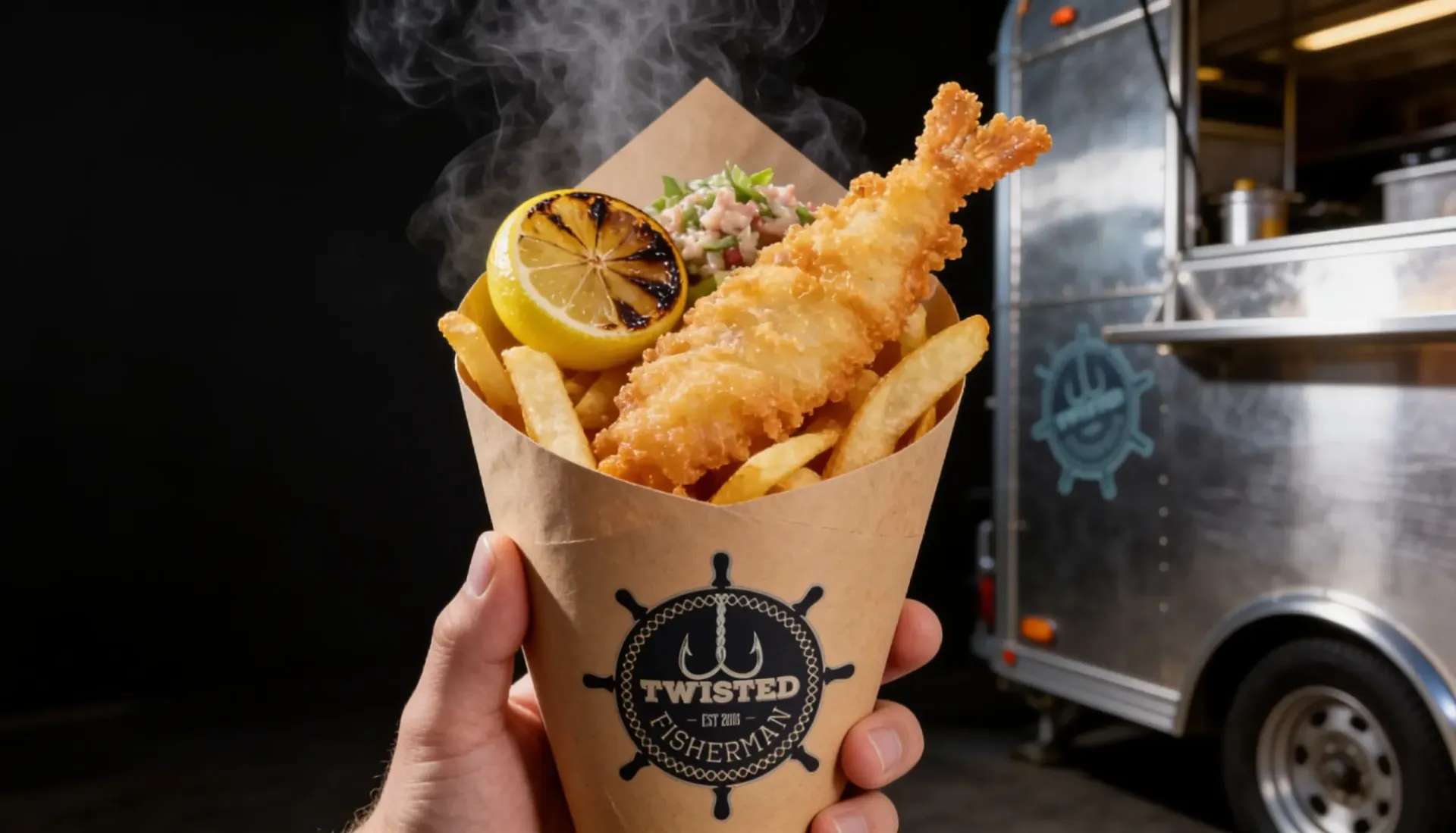
Two practical notes from a decade of corporate service. First, dietary coverage is non-negotiable: vegetarian, vegan, gluten free and halal-friendly dishes should be on the menu by design, not by request. Second, hand-held formats beat plated ones at standing events. A Blackmore Wagyu cheeseburger or a kraft cone of salt and pepper calamari survives a conversation. A plate with cutlery doesn’t.
How do you organise corporate catering without it eating your week?
Send the caterer four details: date, location, headcount and budget per head. A professional caterer turns that into a menu proposal and quote within two business days, and handles council access, power and waste themselves.
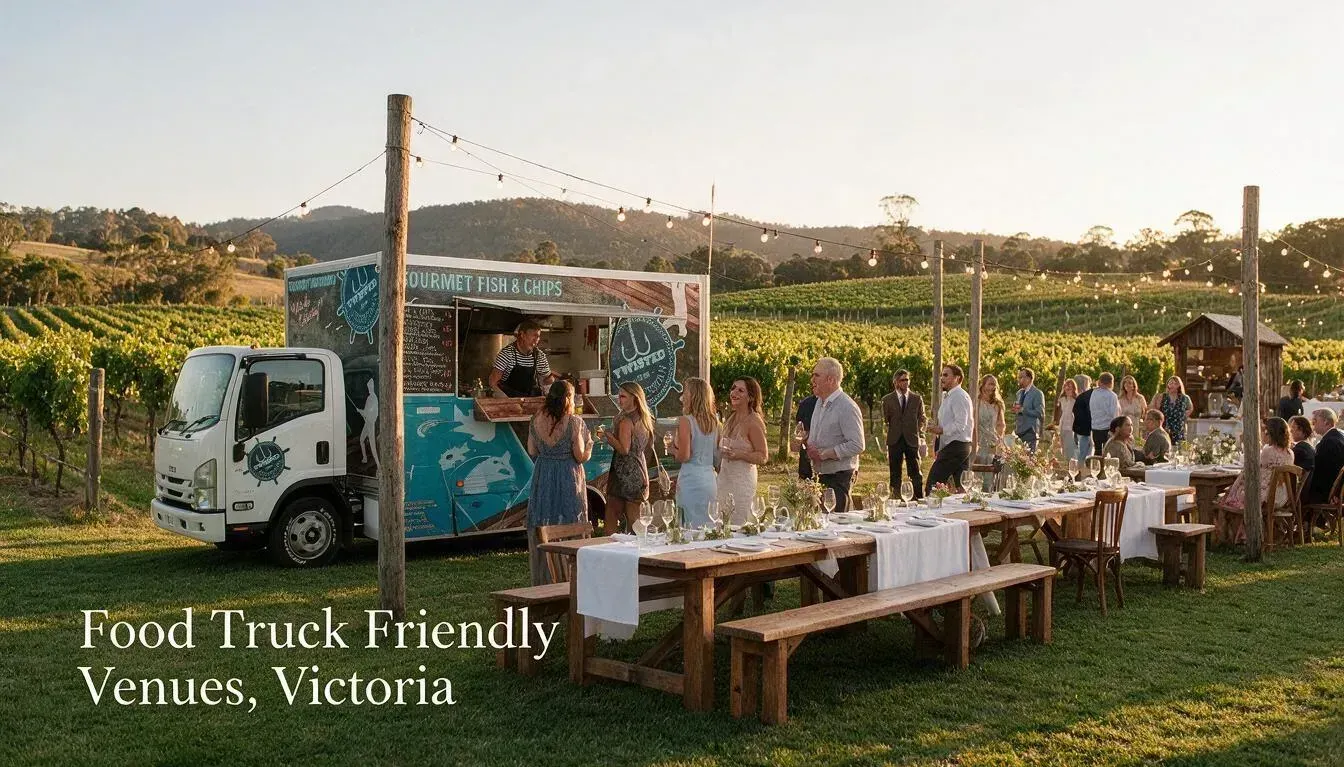
That last sentence is the difference between caterers who do corporate work regularly and those who improvise. Our truck is fully self-sufficient: no power, no water, no venue kitchen needed. We need two car spots of flat access and we’re operational. CBD loading docks, business park courtyards, warehouse car parks: all standard territory. One email to our contact page and your part of the logistics is finished.
Timing your booking (and why December is a trap)
For standard corporate events, two to four weeks of notice is comfortable. December is a different country. Melbourne’s Christmas function searches spike to over 3,000 a month in October and November, and caterer calendars fill in the same window. If your end-of-year party matters, book it in September or early October. The full strategy is in our Christmas party catering guide.
What separates good corporate caterers from average ones?
Three signals: they ask about your people before quoting, they volunteer their dietary process instead of waiting to be asked, and they can name events at your scale that they’ve actually delivered. References to real, high-volume service matter because corporate events fail on logistics, not recipes.
Our credentials are public record: ten seasons at the Formula 1 Grand Prix, Moomba, the Melbourne Food and Wine Festival and Carols by Candlelight. Thousands of covers, hard deadlines, no second chances. Read the Fisherman’s Tale for the full background.
How does food truck catering compare with office delivery?
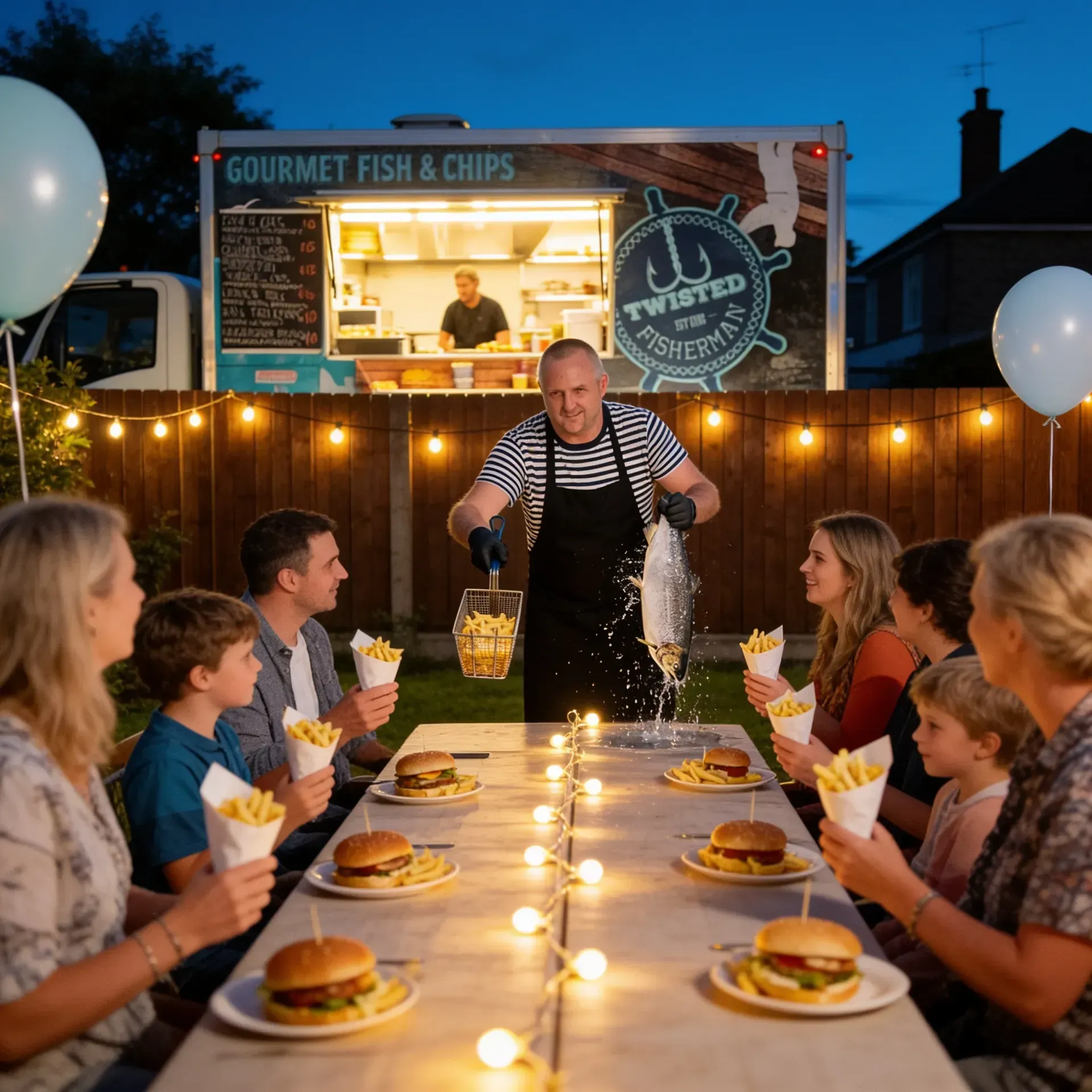
Delivery platters win on convenience and lose on everything else. Food arrives cold or cooling, gets grazed at a side table, and the event part of the event never happens. A truck inverts that: the food becomes the gathering point, every order comes off the grill seconds old, and the queue does the networking for you.
There’s also a waste difference that sustainability teams notice. Platter catering is ordered by guesswork and over-caters by design; what isn’t eaten is binned. Cooked-to-order service produces what gets ordered. For companies reporting on waste targets, that’s a line item worth mentioning in the post-event wrap.
The honest verdict: keep delivery for the Tuesday board lunch. The moment the goal is morale, celebration or impressing someone, cooked-on-site wins and it isn’t close.
A corporate event timeline that actually runs on time
A standard 150-person office function, the way we run it. We arrive 90 minutes before service and set up self-sufficiently while your day continues. Service opens on the hour you set, and the first thirty minutes absorb the rush; a prepped truck clears 100 plus mains an hour, so even a synchronised lunch break doesn’t form a queue worth complaining about. Dietary orders are flagged at the window and handled without ceremony, so the coeliac developer isn’t conducting a public interview about ingredients. Service runs the agreed window, we pack down, and your facilities team finds the car park exactly as it was. One supplier, one invoice, no venue, no hire company, no washing up. Procurement-friendly paperwork (insurance, registration, allergen matrices) is supplied before you ask.
Conclusion
Corporate catering is a culture decision disguised as a procurement task. Feed people memorably and the event does its real job: people talk, mix and leave in a better mood about where they work. If your next staff event deserves better than the beige platter, send us the date and headcount. We’ll bring the kitchen.
Frequently Asked Questions
How much notice do you need for a corporate event? Two to four weeks for most events. December functions should book by early October, and large events of 300 plus benefit from six weeks for menu planning.
Can you cater inside office buildings? The truck needs outdoor or loading dock access, but we also deliver cocktail-style catering with staff for indoor functions. Many clients combine both.
Do you invoice and handle corporate payment terms? Yes. We work with standard corporate invoicing and can provide insurance and food safety documentation for procurement teams.
Can staff order individually from the truck? Yes, that’s the classic format. You set the budget and menu range; staff order what they want at the window. It feels like a perk, not a function.
What if our headcount changes after booking? Numbers can be adjusted up to an agreed date before the event, usually one week out. We confirm final catering numbers with you in the lead-up.